The Lead Gen Lab logo

Websites For Plumbers

Google5.0

Plumbing Websites Built To Win More Jobs.

The Lead Gen Lab designs plumber websites for Australian plumbing and gas businesses, built around your services and your suburbs. Every page makes it clear what you do, where you work, and why someone should call you.

Fast on a phone, laid out the way people search for a plumber, and set up so enquiries actually come through.

First draft in 14 days, most projects live in two to four weeks, and no lock-in contract.

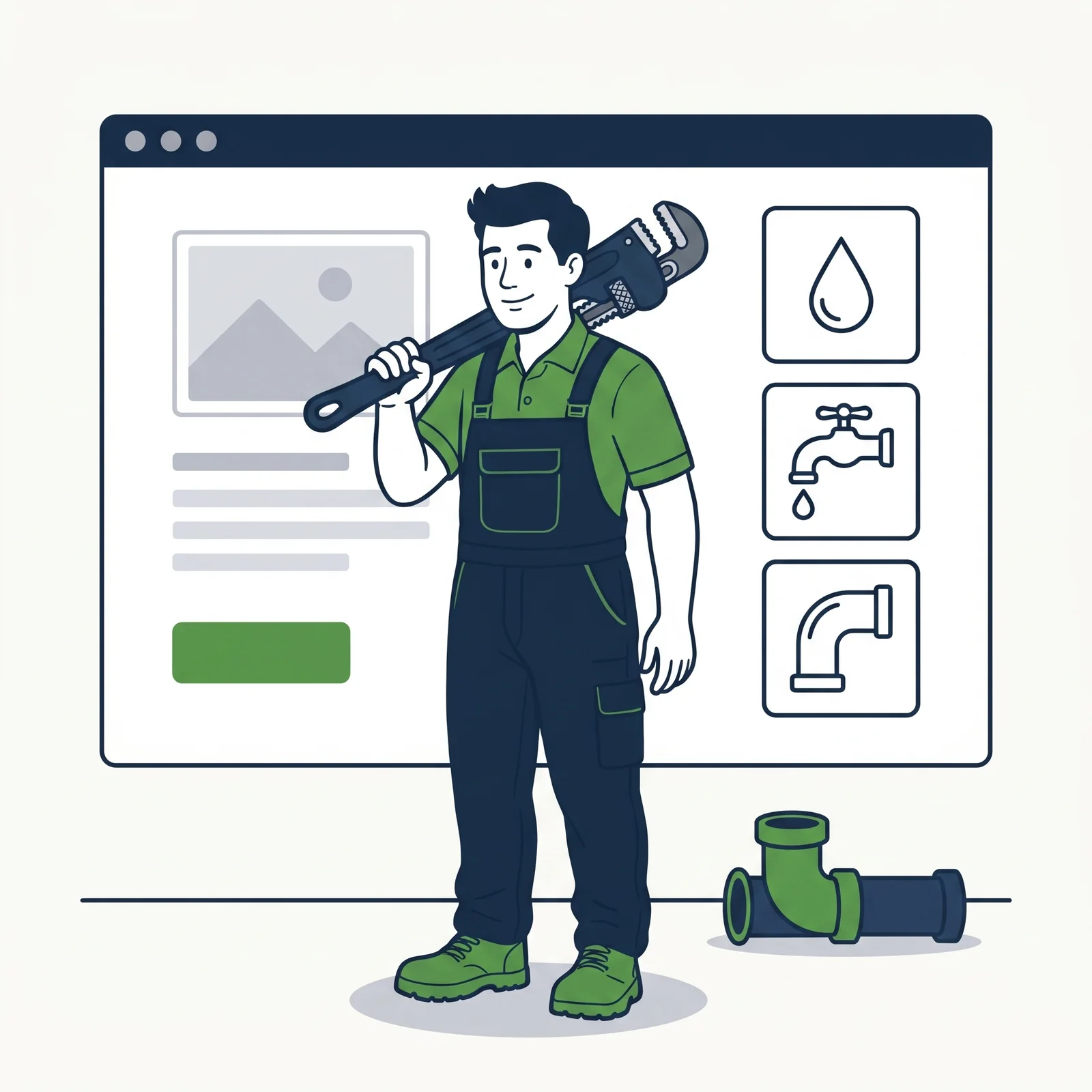
Flat illustration of a plumber holding a pipe wrench beside a browser window showing a plumbing website with service icons and a quote button.

14 days

to your first draft. Most projects are live in two to four weeks.

Quoted first

You see the full price and what is included, in writing, before anything is built.

No lock-in

contract. Hosting included or arranged separately, whichever suits.

Two Types Of Plumbing Enquiry

Urgent work and planned work come from very different people, and most plumbing sites are only built for one of them.

Urgent work

Burst pipes, blocked drains, no hot water

They are on a phone and they want to ring someone now. They will not read your about page. They need your number, and a reason to believe you will turn up.

What they need from the site

  • Your phone number visible on every page without scrolling
  • After-hours availability and call-out costs stated clearly
  • The suburbs you cover, so they know you are nearby
  • A page that loads quickly on mobile data

Planned work

Bathrooms, hot water replacement, renovations

They are not in a hurry and they are comparing a few plumbers. These jobs are worth far more than a call-out, and they are won on trust rather than speed.

What they need from the site

  • What the job involves and roughly what it costs
  • Your licence, your insurance and how long you have been going
  • Reviews about similar work, not just fast service
  • A quote form detailed enough to price the job

What Is Probably Wrong With Your Website

Most plumber websites are not badly designed. They are just built to describe the business rather than to get an enquiry.

  • The phone number

    Most plumbing sites

    In the header, so someone standing over a burst pipe has to scroll back up to find it.

    The one we build

    Fixed to the bottom of the screen, one tap from anywhere on the site.

  • Your services

    Most plumbing sites

    One page listing everything you do, from tap washers to full bathrooms.

    The one we build

    A page each for blocked drains, hot water, burst pipes, gas and renovations, because that is how people search.

  • The areas you cover

    Most plumbing sites

    A list of suburb names in the footer.

    The one we build

    Real pages for the areas we agree to target, not a list of names in a footer.

  • The quote form

    Most plumbing sites

    Name, email and message only, so a blocked drain and a full bathroom arrive looking identical.

    The one we build

    Job type, suburb and whether it is urgent, so you can price it before you pick up the phone.

  • After hours

    Most plumbing sites

    Buried in a FAQ, or not mentioned at all.

    The one we build

    Your call-out costs and after-hours availability stated where people will see them.

  • Speed on a phone

    Most plumbing sites

    A slideshow above the fold, loading while the caller decides whether to try the next plumber.

    The one we build

    Built to load fast on a phone, which is where most plumbing searches happen.

They Are Built To Get Found

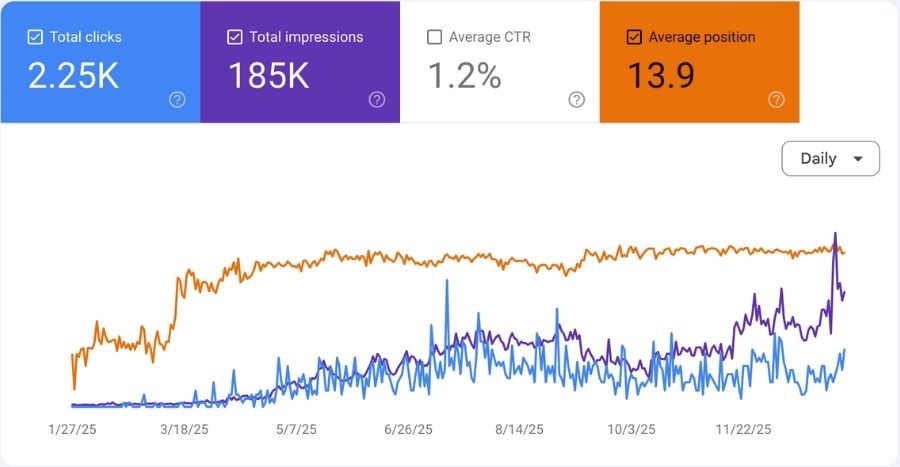
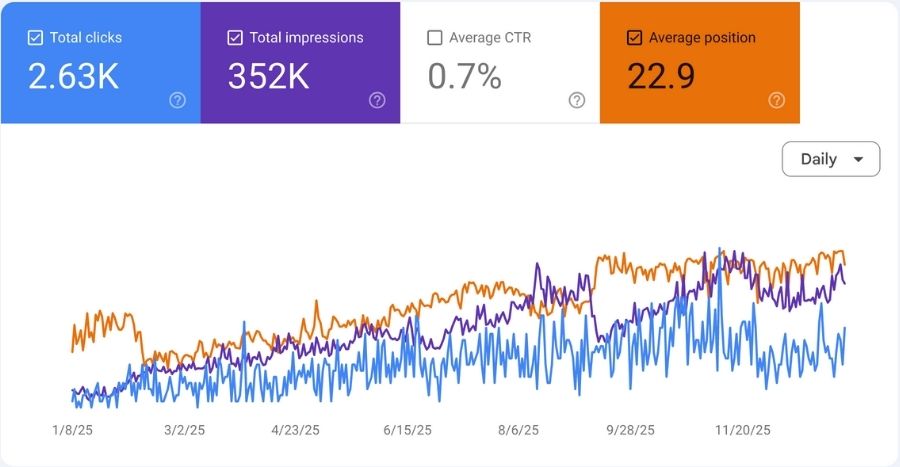
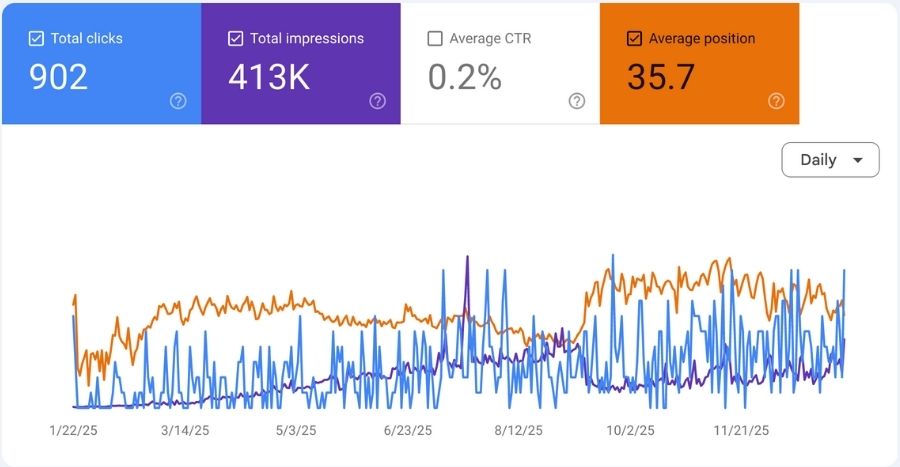
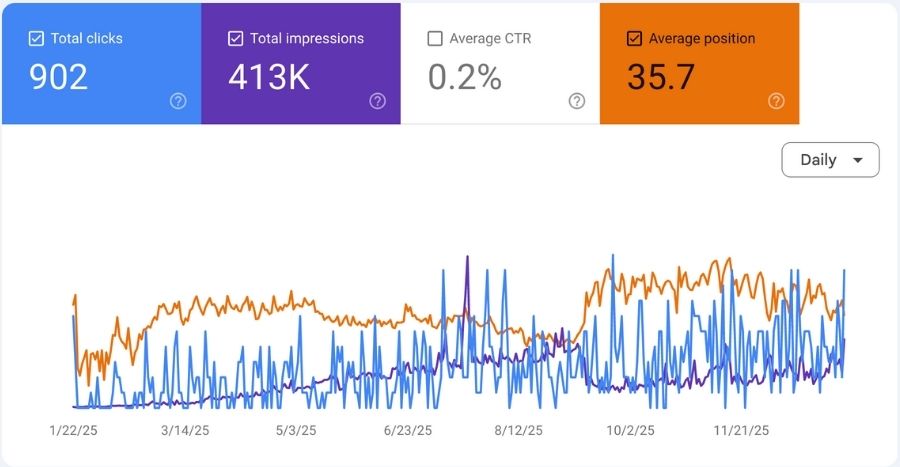
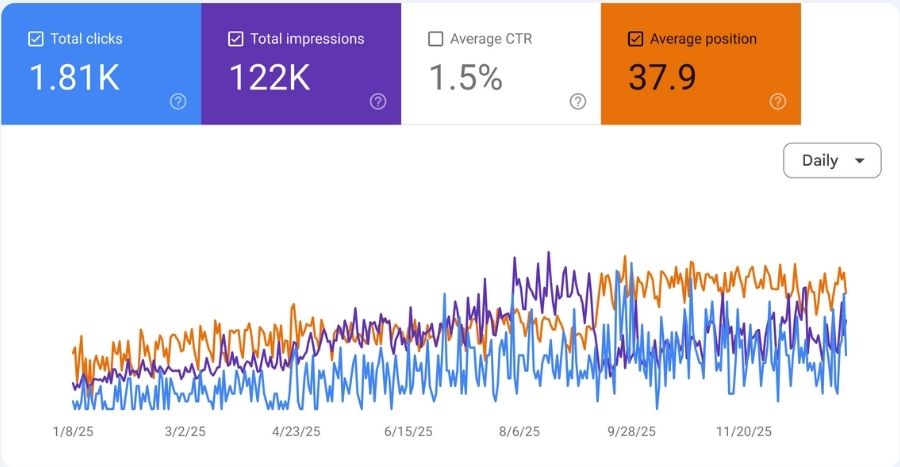
Plumbing website design is only worth anything if people find the site. These are Search Console screenshots from sites we have built, showing clicks and impressions over time.

What matters is the trend rather than the totals. Steady growth on service and suburb searches is what a trade site should do.

Google Search Console performance data for a client tradie website
Google Search Console performance data showing clicks and impressions growth
Google Search Console performance data for a service business website
Google Search Console performance data showing rising search visibility
Google Search Console performance data for a trade business website

Plumbing Work Is Hard To Photograph

Most of a plumber's work ends up hidden behind a wall or under a floor, so there is not much to show in a gallery. A landscaper or a carpenter can rely on photos, and you cannot.

That means trust has to come from somewhere else on the page. These are the things that do it.

  • Your licence number, where people look

    Plumbing and gas work is licensed, so showing your licence number proves you are legitimate. Plenty of customers check it before letting someone in.

  • Reviews about the job, not the arrival

    A review about turning up on time does not help someone deciding on a bathroom. We group reviews by the type of work so people read about jobs like theirs.

  • The brands you install

    Most people recognise the major brands even if they know nothing about plumbing. Listing the ones you install shows a job like theirs is routine for you.

  • What happens when you arrive

    Your call-out fee, whether it comes off the job, and how you quote. Answering these on the page means people do not have to ring around to find out.

  • The photos you do have

    Your van, your team, work in progress, or an old unit beside the new one. Real photos of your own business work better than stock images, even simple ones.

  • Insurance and years, stated once

    Your public liability cover and how long you have been operating, stated in one place. It is a small detail, and the sort of thing a careful customer looks for.

What Goes On A Plumbing Website

Website design for plumbers follows a structure. Here are the six parts that matter most on a plumbing website, and what each one does.

  1. Under the hood

    Built so Google can read it

    Clean structure, proper headings, service and location markup, and fast loading. This will not rank the week it launches, but nothing ranks later without it.

  2. The top of the page

    An emergency path that skips the sales pitch

    Someone with an urgent job gets straight to your number and your call-out details, without scrolling past your story, your values and your gallery.

  3. Service pages

    Services split by how people search

    Blocked drains, hot water, burst pipes and gas fitting each get their own page. People search for their problem, and one page cannot rank for all of them.

  4. Suburb pages

    A page for every suburb you cover

    Plumbing searches almost always include a suburb. Each area you work in gets its own page naming the suburbs around it, so you show up nearby.

  5. The quote form

    A quote form that asks the right things

    Job type, suburb, and whether the work is urgent. Enough detail to quote from, and enough to filter out enquiries that were never going to book.

  6. The call bar

    A call bar that never leaves

    Fixed to the bottom of the screen on mobile, so your number is one tap away from anywhere on the site. When enquiries are urgent, nothing matters more.

Sites We Have Built

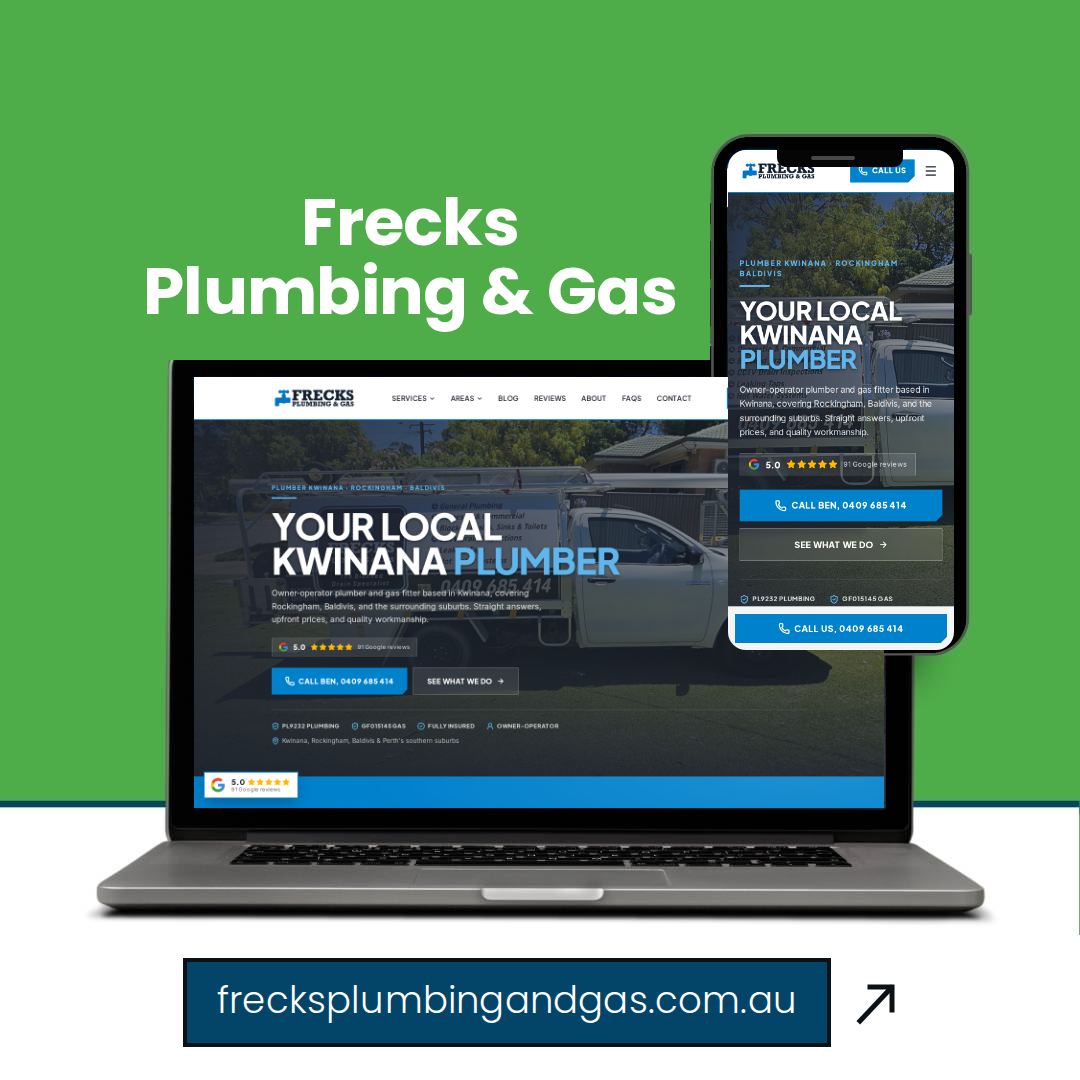
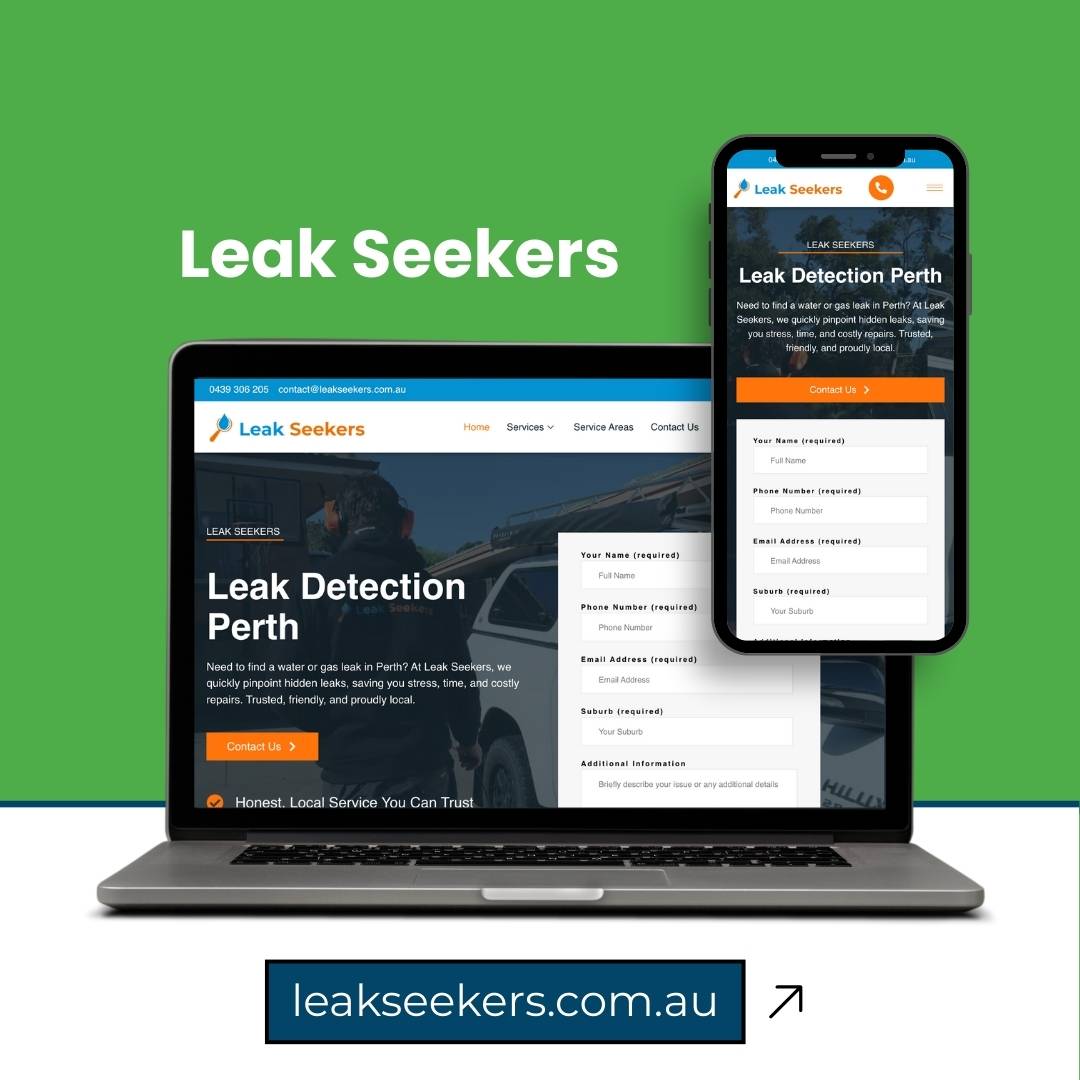
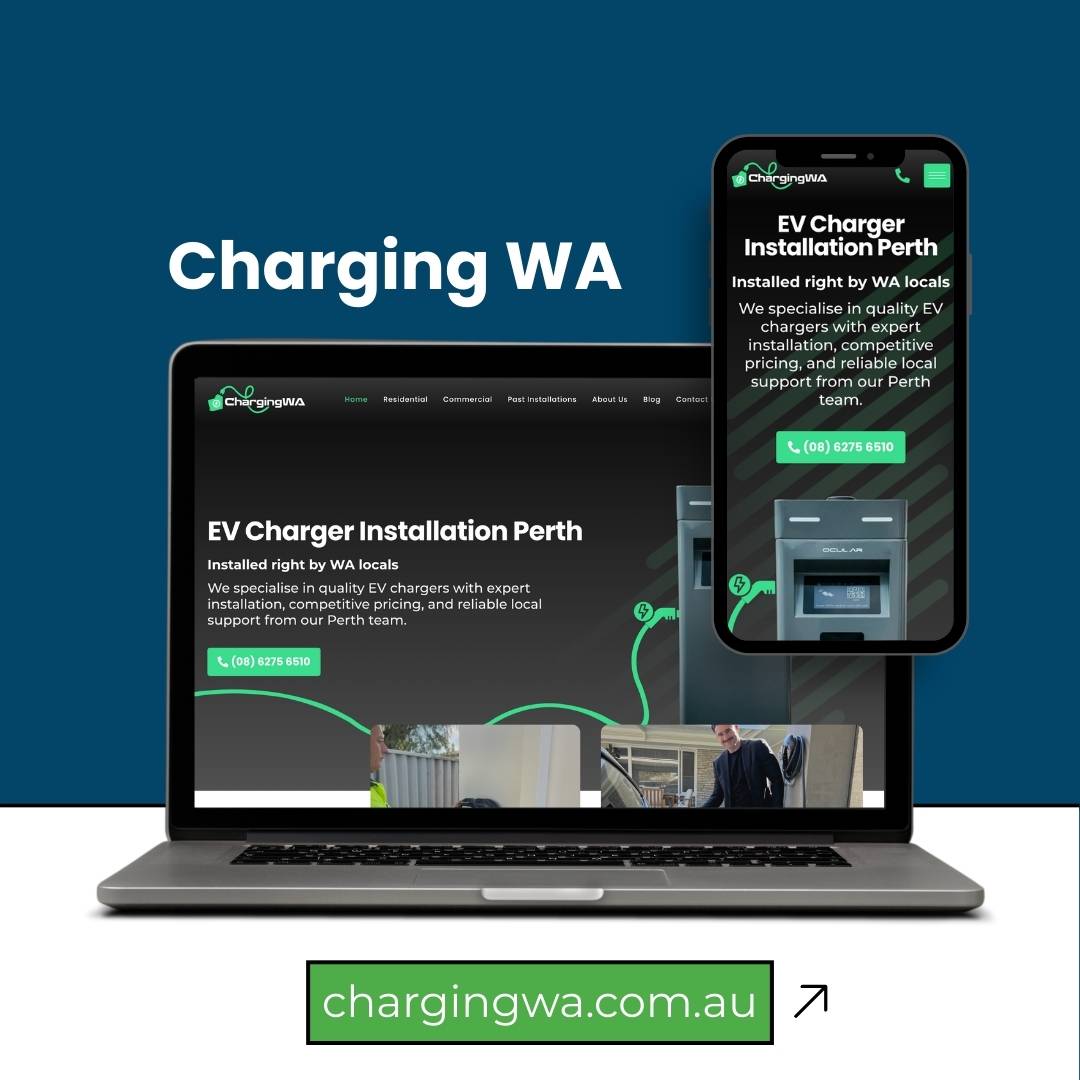
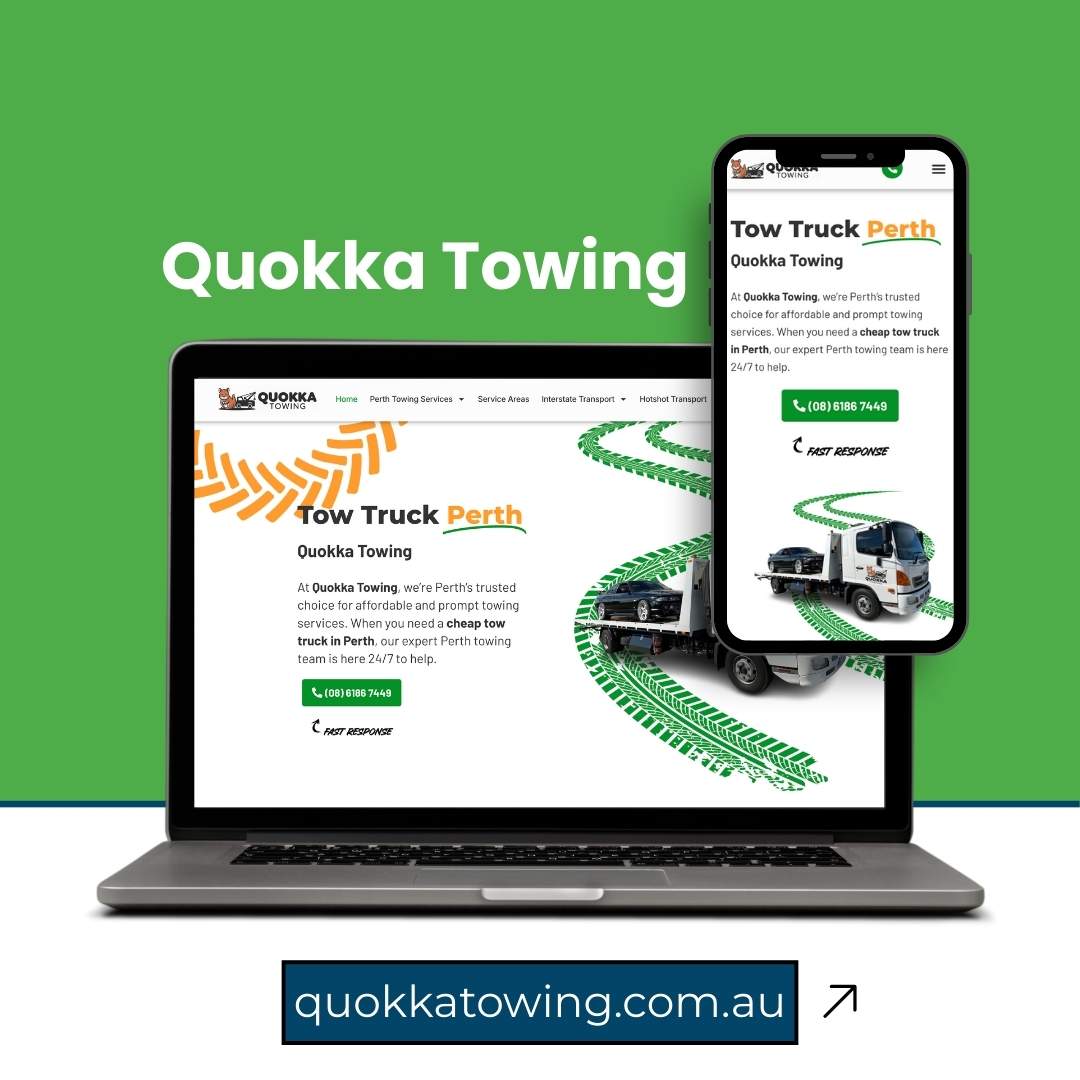
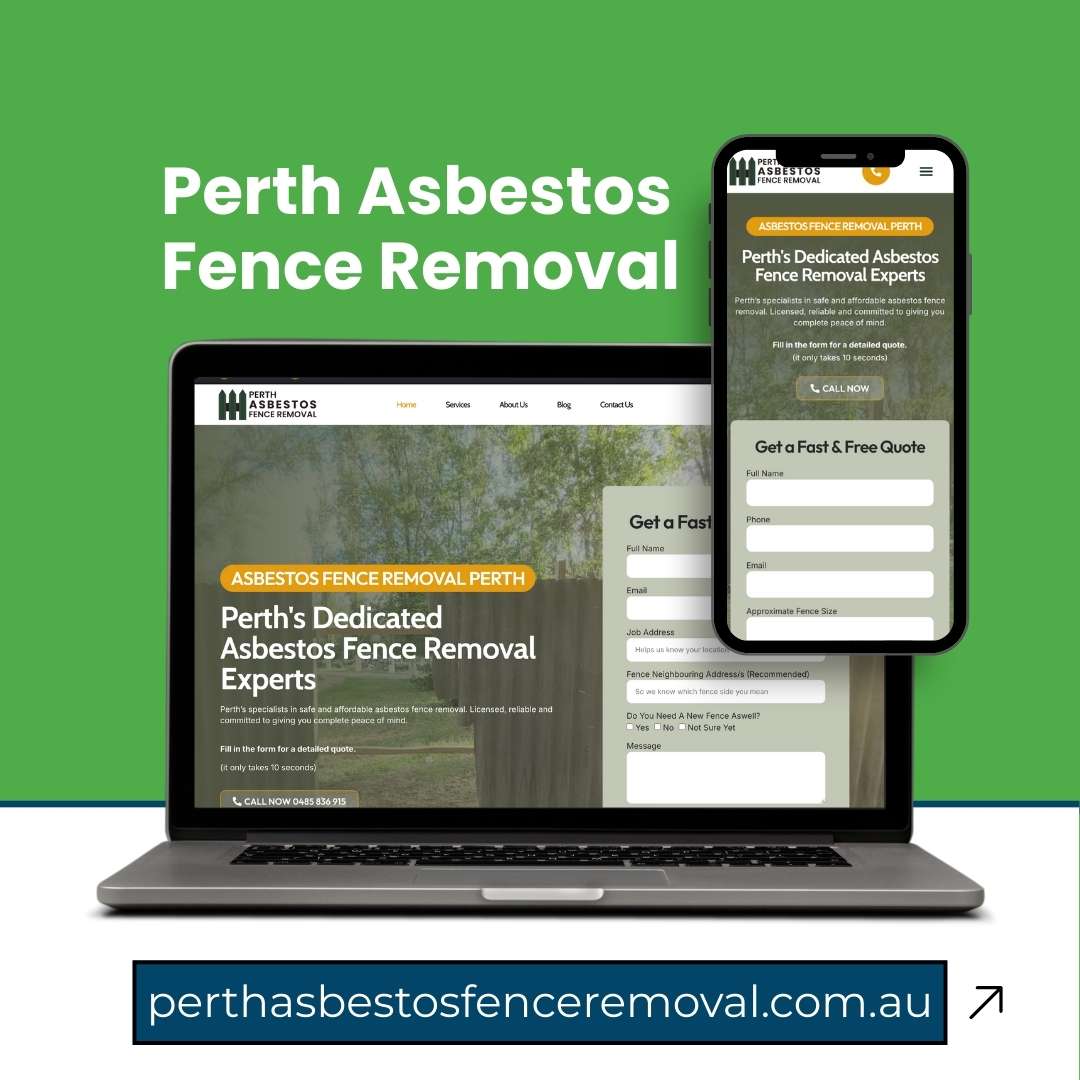
Recent websites we have built for plumbers and other trades. Each one is built around the services that business offers and the areas it covers.

5.0

on Google

What Our Clients Say

Want To Know What Yours Would Cost?

Tell us your services and the suburbs you work in, and we will come back with the structure and the price before anything starts.

How It Runs

Four steps, and the first one is the only one that needs much of your time.

  1. A short call

    We go through your services, your suburbs, and what you want the site to do. Usually fifteen minutes.

  2. Structure and content

    We plan the pages and calls to action around how plumbing customers search. You send us the details.

  3. Build and review

    We build the site and send it over for you to check. Changes are made before it goes live.

  4. Launch and hand over

    We connect your domain, check everything works and hand it over. Support after that is optional.

FAQs About Plumber Website Design

Two things. Most of a plumber's work is invisible once it is finished, so the site cannot lean on a gallery the way a landscaper's can. And the same site has to serve someone with a burst pipe and someone planning a bathroom, who want opposite things.

Plumber website design starts from that. The services people actually search for, the suburbs you cover, and a clear route to your number from anywhere on the site.

Every site is quoted on what it actually needs: how many services you offer, how many suburbs you want covered, and what has to be built. You get the full price in writing before any work starts.

There is no lock-in contract. Ongoing services like support and hosting are quoted separately, so you can take them or leave them.

You get the first draft within 14 days. Most projects finish in two to four weeks, depending mostly on how quickly you can give feedback.

No, and it is normal in plumbing. Most finished work is hidden, so there is not much to photograph.

The site builds trust through your licence, your reviews, the brands you install and how you handle a job, rather than through a gallery. Photos of your van, your team or work in progress help, but they are not essential.

Yes, and it is the main thing the layout is built around. Urgent visitors get straight to your number and your call-out details. People planning a job get the detail, the pricing guidance and the proof they need to compare you.

Plumbing searches almost always include a suburb, so the areas worth targeting get a real page each rather than a list of names in the footer. Which areas, and how many, is part of what we scope and quote before anything starts.

How many are included depends on the size of the site, and we work that out on the first call.

It is built so it can. Clean structure, proper headings, service and location pages, and fast loading are all in place from launch.

How quickly it ranks depends on your area, your competition and what happens after launch. Nobody can promise you a position by a certain date.

Not immediately. Search visibility builds over months, and how quickly depends on your area, your competition and what you do after launch.

What does change straight away is what happens to the people already finding you. If they are landing on something slow, or something that hides your number, that is fixed from day one.

Plumbing work moves with the seasons. Hot water and burst pipes are busier in winter, blocked drains and renovations in the warmer months, and the site has pages for both.

That means you stay visible whichever season it is, rather than relying on one page to cover everything.

It is the biggest single factor in local plumbing search, and it works alongside the website rather than being part of it. Your name, address and phone need to match exactly, and your profile should link to real service pages rather than just the homepage.

The site is built so that works properly. Ask us on the first call whether we can set the profile up as well.

Yes. We connect the new site to your existing domain and email, or help you change them if you want to.

You tell us and it gets done. Phone number, a new service, updated hours, extra suburbs, all of it is covered.

Ongoing support is available if you want changes handled as a matter of course, and it is not compulsory. We go through how updates work on the first call.

Yes. We work with sole traders, owner-operators and larger plumbing businesses. The structure is the same, only the size of the site changes.

Your services, the areas you cover, your licence details, your contact information, and any branding or photos you already have. If you do not have branding, we work with what you have.

Ready For A Plumbing Website That Books Work?

Tell us your services and the suburbs you cover, and we will come back with what the site would include and what it would cost.

No obligation, and no lock-in contract if you go ahead.

  • First draft in 14 days and you see it before anything else is agreed.
  • One written price covering the whole build, given before we start.
  • Nothing to sign up to afterwards. Support and hosting stay optional.

Would rather just talk it through?

1300 684 885
Call NowEnquire Now