
The Lead Gen Lab logo

Websites For Electricians

Google5.0

Electrical Websites Built To Win Better Jobs.

The Lead Gen Lab designs electrician websites for Australian electrical contractors, built around the work you want more of. Every page makes it obvious which jobs you take and why someone should trust you with them.

Fast on a phone, laid out around your services and your suburbs, and built so the bigger jobs are as easy to find as the call-outs.

First draft in 14 days, most projects live in two to four weeks, and no lock-in contract.

Flat illustration of an electrician holding a test meter beside a browser window showing an electrical services website with service tiles and a call button.

14 days

to your first draft. Most projects are live in two to four weeks.

Quoted first

You see the full price and what is included, in writing, before anything is built.

No lock-in

contract. Hosting included or arranged separately, whichever suits.

The Small Job And The Upgrade

Both of these people search for an electrician, and one of them is worth many times the other. Most electrical websites are only built for the first.

The call-out

Power points, lights, fans, fault finding, a tripping safety switch

They are on a phone and they want it sorted this week. They will ring the first sparky who looks local, available and legitimate. There is not much to compare, so it comes down to who is easy to contact.

What they need from the site

  • Your phone number visible on every page without scrolling
  • The suburbs you cover, so they know you are nearby
  • Your call-out fee and whether you do after hours
  • A page that loads quickly on mobile data

The upgrade

Switchboard upgrades, rewires, EV chargers, batteries, three phase

They have been reading for days and they are getting three quotes. The job runs into thousands, so they are looking for someone who has done it many times before, not the closest available sparky.

What they need from the site

  • A page about that specific job, not a line on a services list
  • What is involved, what it costs to run, and what the timeline is
  • Your licence, your insurance and any accreditations the job needs
  • A form that captures enough detail to quote without a site visit

What Is Probably Wrong With Your Website

Most electrician websites are not badly designed. They are just a list of everything you can do, in no particular order, which leaves the visitor to work out whether you do their job.

  • The phone number

    Most electrical sites

    In the header only, so it is gone by the time anyone has read what you actually do.

    The one we build

    On a bar fixed to the bottom of the screen, so an after-hours fault is one tap away at any point.

  • Your services

    Most electrical sites

    One page called Electrical Services listing everything from power points to switchboards.

    The one we build

    A page each for switchboard upgrades, rewires, EV chargers, lighting and fault finding, because that is how people search.

  • The high value work

    Most electrical sites

    One line in a bullet list, worth the same visual weight as a ceiling fan.

    The one we build

    Its own page, with what is involved, what decides the price and what the job looks like when it is done.

  • Your licence

    Most electrical sites

    In the footer in six point grey, if it is there at all.

    The one we build

    Stated where people are deciding, next to the work it applies to.

  • The quote form

    Most electrical sites

    Name, email and message only, so a switchboard upgrade and a dead powerpoint look the same.

    The one we build

    Job type, suburb, property age and whether it is urgent, so you can price it before you pick up the phone.

  • Speed on a phone

    Most electrical sites

    Video headers and sliders that stall on a phone before the services list has even appeared.

    The one we build

    Built to load fast on a phone, which is where most electrical searches happen.

They Are Built To Get Found

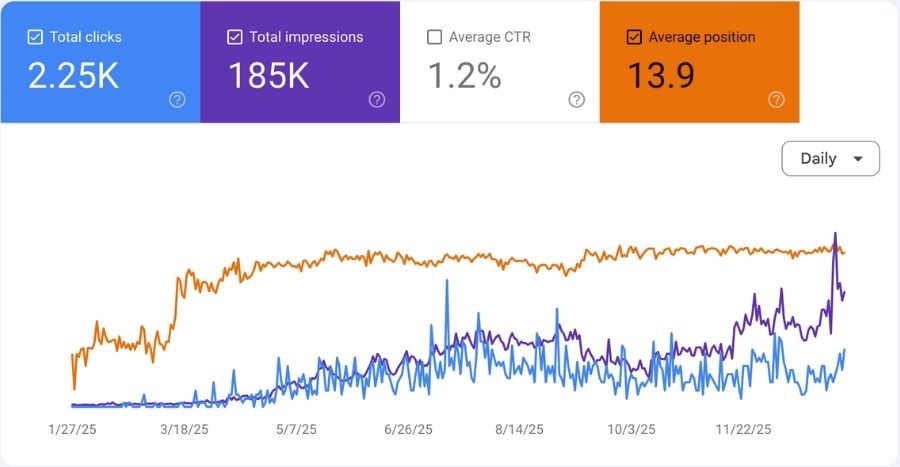
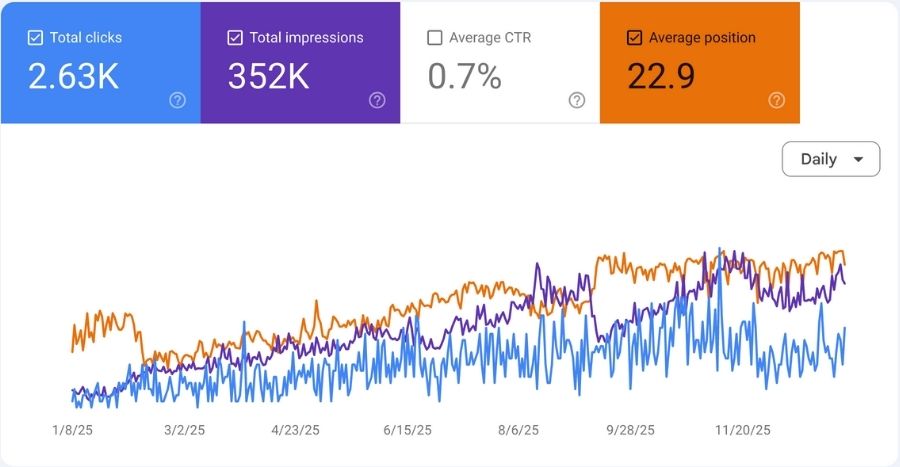
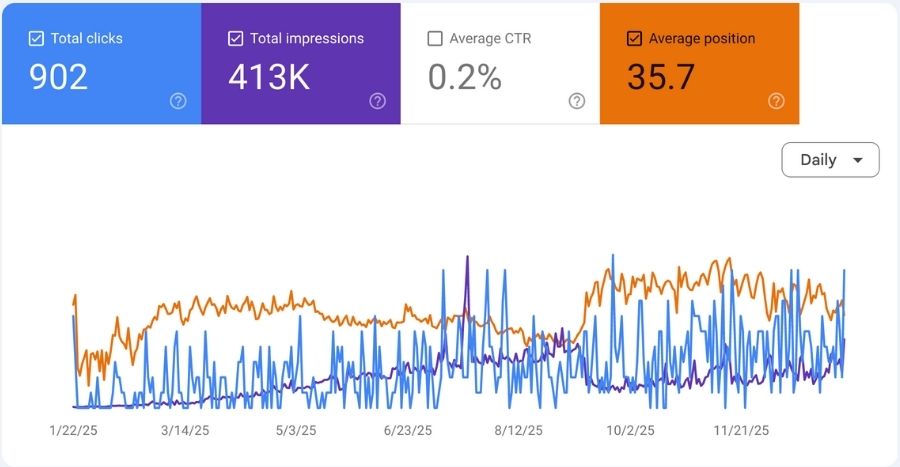
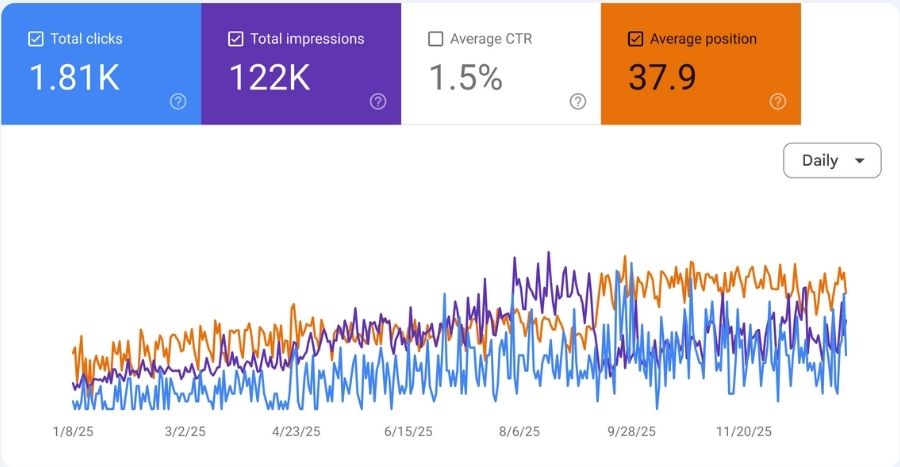
None of this counts for much if nobody finds the site. Below are Search Console screenshots from sites we have built, showing clicks and impressions over time.

Read the shape of the line rather than the numbers. A steady climb across service and suburb searches is what an electrical site should look like.

Google Search Console performance data for a client tradie website
Google Search Console performance data showing clicks and impressions growth
Google Search Console performance data for a service business website
Google Search Console performance data showing rising search visibility
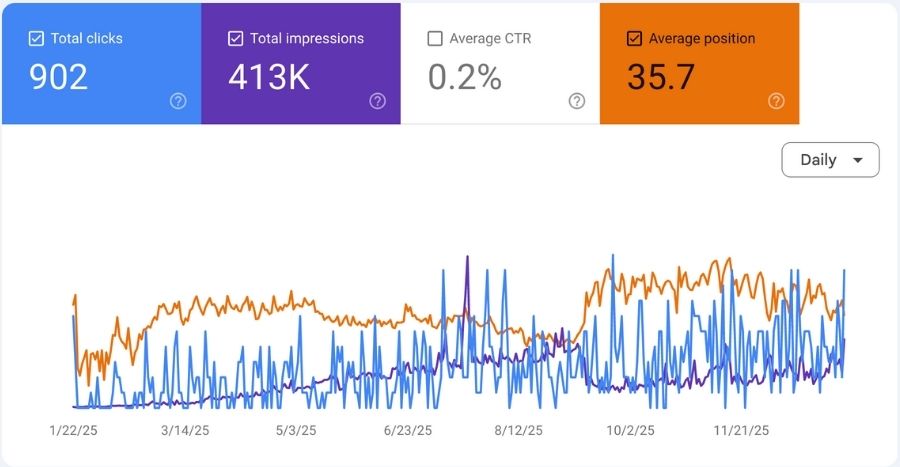
Google Search Console performance data for a trade business website

Electrical Work Is Sold On Compliance

Electrical is the trade where doing the work without a licence is a criminal offence, where a compliance certificate follows every job by law, and where some work cannot start until the network operator says yes.

That is a burden on you and an advantage on the website, because it gives a nervous customer something concrete to check. These are the things that do it.

  • Your licence number and class

    Electrical licences are public and people do look them up. Showing the number and what class it covers takes ten seconds to add and settles the question most customers are quietly asking.

  • The compliance certificate, explained

    Most customers have no idea they are entitled to one. Saying plainly that every job comes with a certificate of electrical compliance is a reassurance almost no competitor bothers to put on the page.

  • Accreditations for the jobs that need them

    EV charger installs, solar and battery work each have their own approved installer schemes. If you hold them, the page for that job should say so, because that is exactly what the customer is checking.

  • Working with the network

    Service upgrades and three phase connections involve the network operator, and customers find that intimidating. Explaining that you handle the application is often the reason they pick you.

  • Insurance, stated once

    Your public liability cover and how long you have been operating, stated in one place. A small detail, and the sort of thing a careful customer looks for before letting someone into the roof space.

  • Reviews about the job, not the arrival

    A review about turning up on time does not help someone deciding on a rewire. We group reviews by the type of work, so people read about jobs like theirs.

What Goes On An Electrical Website

Website design for electricians follows a structure. Here are the six parts that matter most on an electrical website, and what each one does.

  1. Under the hood

    Built so Google can read it

    Clean structure, proper headings, service and location markup, and fast loading. It is the part of an electrical site nobody sees, and nothing you do later works without it.

  2. The top of the page

    A straight path to your number

    Someone with a dead circuit gets to your number and your call-out details without scrolling past your story, your values and a gallery of light fittings.

  3. Service pages

    The bigger jobs get their own pages

    Switchboard upgrades, rewires, EV chargers and lighting each get a real page. People search for the job, not for an electrician, and one services page cannot rank for all of them.

  4. Suburb pages

    A page for every suburb you cover

    Electrical searches almost always carry a suburb on the end. Every area you cover gets a page of its own, naming the streets and suburbs around it.

  5. The quote form

    A form that asks what you need to quote

    Job type, suburb, roughly how old the property is, and whether it is urgent. Enough to price a switchboard job without driving out to look at it.

  6. The call bar

    A call bar that never leaves

    A bar fixed to the bottom of the screen on mobile, carrying your number wherever they scroll. When the power is out, nothing else on the page matters.

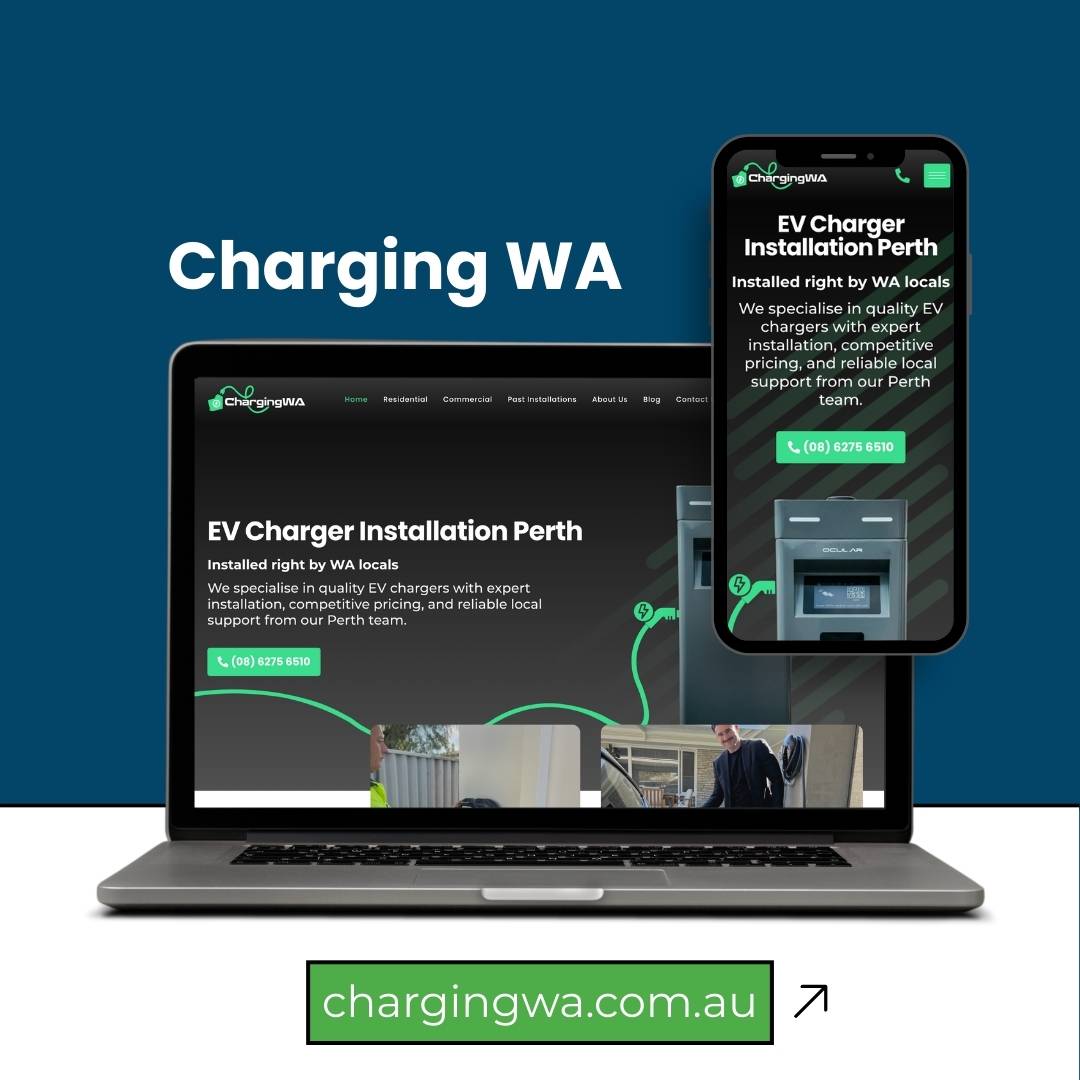
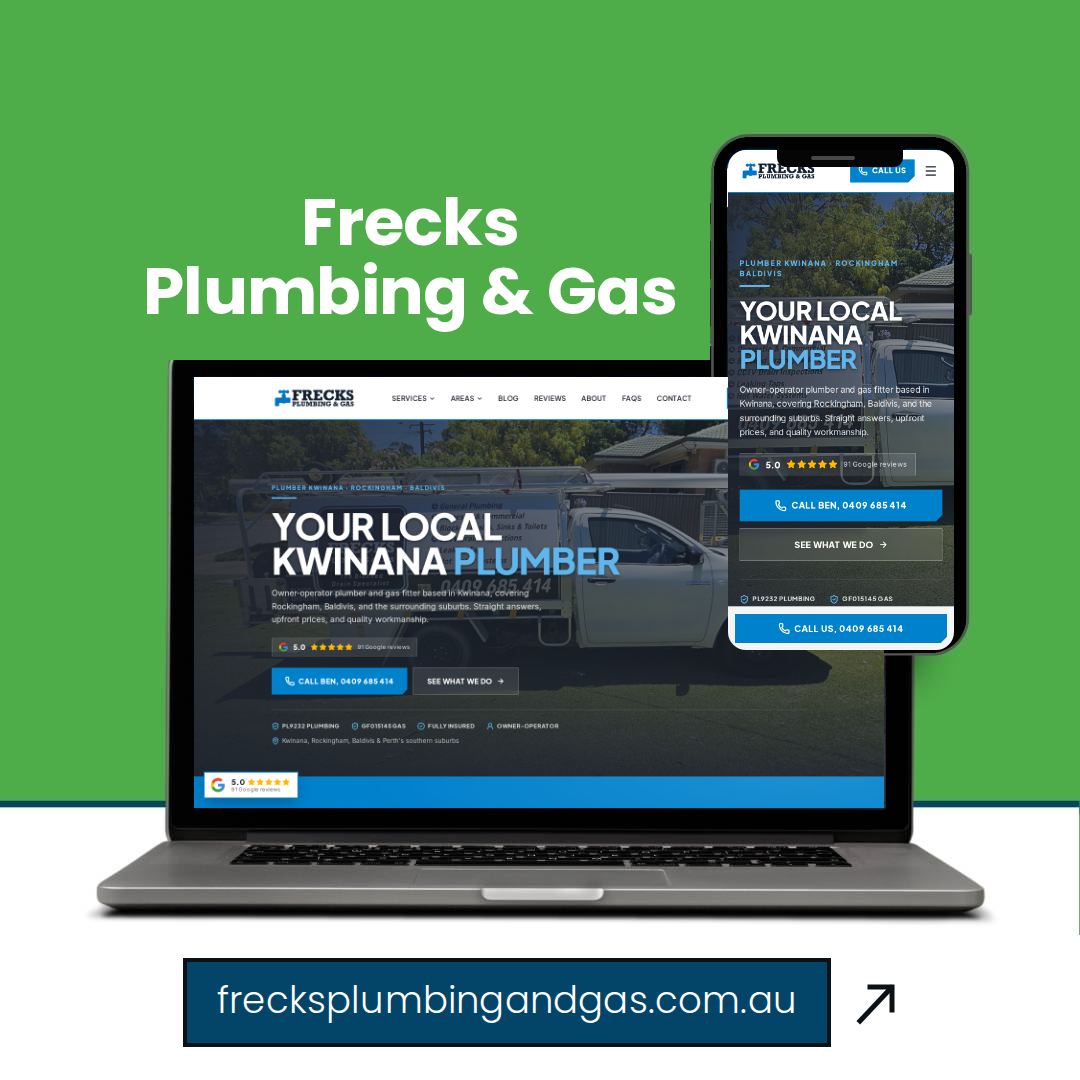
Sites We Have Built

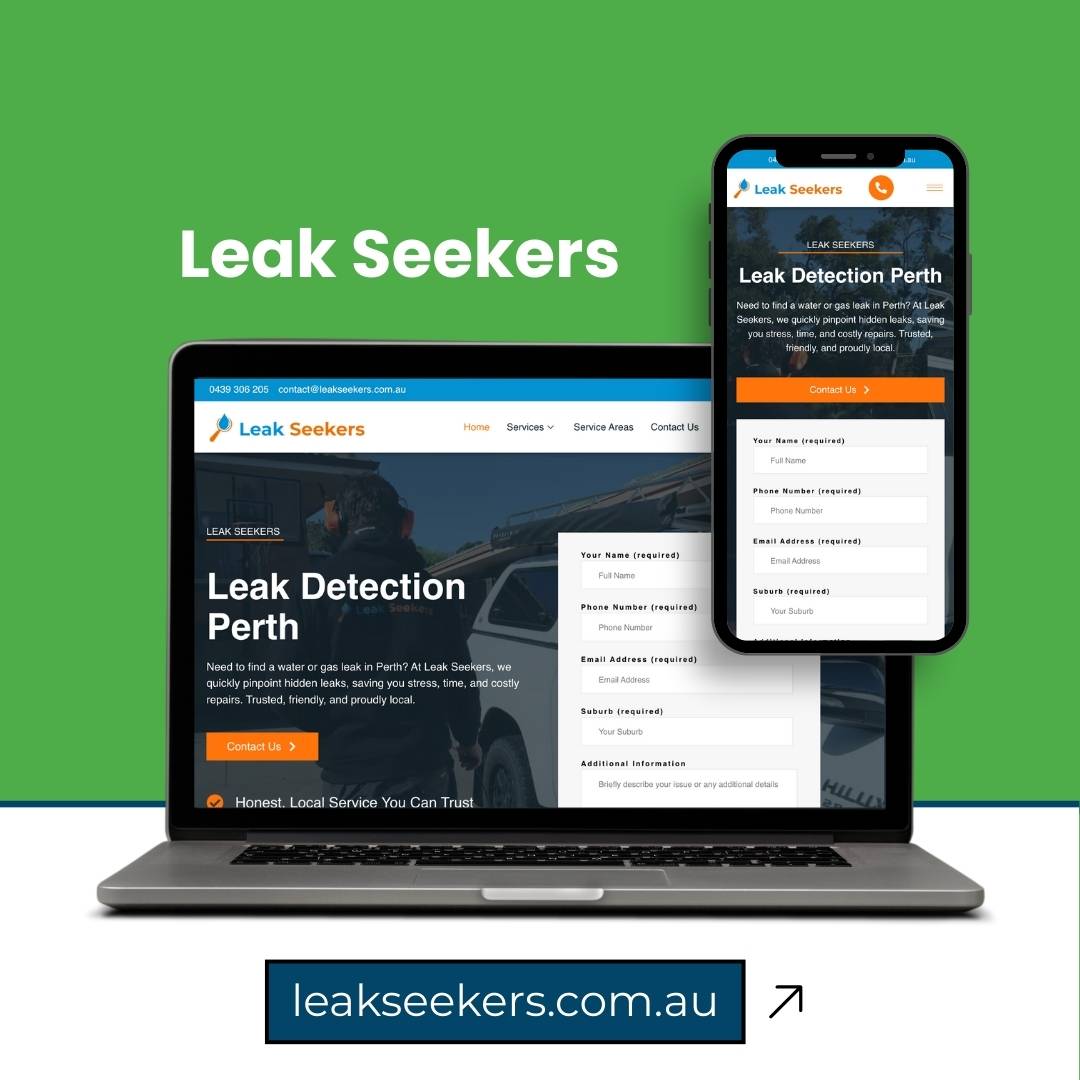
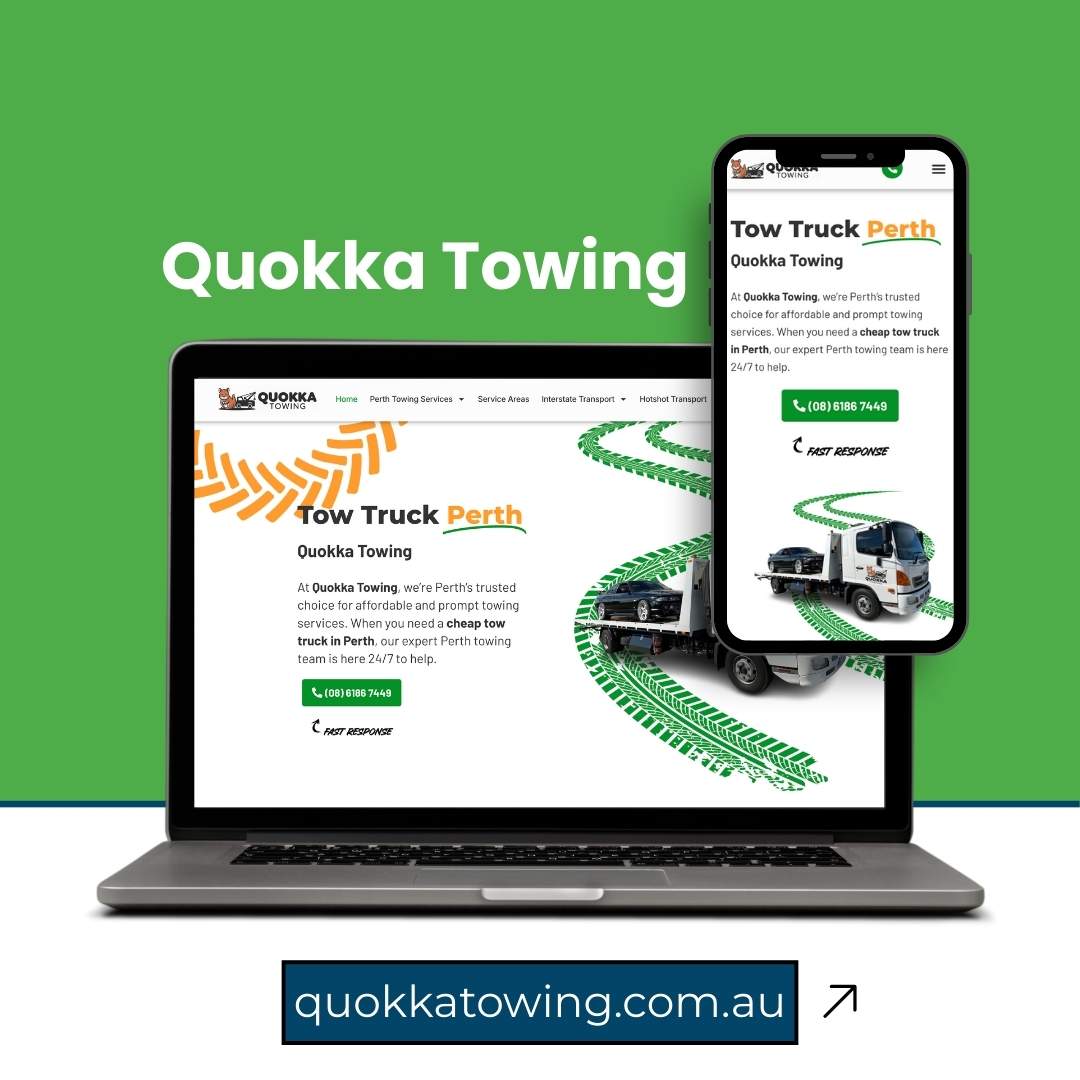
Recent websites we have built for electricians and other trades. Each was planned around the jobs that business wanted more of, then the areas it covers.

5.0

on Google

What Our Clients Say

Want To Know What Yours Would Cost?

Tell us your services and the suburbs you work in, and we will come back with the structure and the price before anything starts.

How It Runs

Four steps, and the first one is the only one that needs much of your time.

  1. A short call

    We go through your services, your suburbs, and which jobs you want more of. Usually fifteen minutes.

  2. Structure and content

    We plan the pages and calls to action around how electrical customers search. You send us the details.

  3. Build and review

    We build the site and send it over for you to check. Changes are made before it goes live.

  4. Launch and hand over

    We connect your domain, check everything works and hand it over. Support after that is optional.

FAQs About Electrician Website Design

The job mix. The same word brings you a single power point and a full switchboard upgrade, and a site that treats them the same will keep bringing you the smaller one. The upgrade work needs its own page, written for someone who is comparing three quotes.

The other difference is compliance. Electrical is licensed, certificated and in some cases needs network approval, and all of that is proof a customer can check. Most electrical sites waste it in the footer.

Every site is quoted on what it actually needs: how many services you offer, how many suburbs you want covered, and what has to be built. You get the full price in writing before any work starts.

There is no lock-in contract. Ongoing services like support and hosting are quoted separately, so you can take them or leave them.

You get the first draft within 14 days. Most projects finish in two to four weeks, depending mostly on how quickly you can give feedback.

That is usually the main thing worth changing. Those jobs get searched by name, they get researched before anyone rings, and on most electrical sites they are one line in a bullet list.

Giving each of them a real page, with what is involved and what decides the price, is what lets you turn up for those searches at all. It will not happen the week it launches, but nothing happens later without it.

Yes, and somewhere people will actually see it rather than the footer. Electrical licences are public and customers do check them, particularly before a big job or before letting someone into the roof.

It costs nothing to add and it answers a question most people are too polite to ask.

No, and it is normal in electrical. Most finished work is behind a wall plate or inside a switchboard, and a photo of a tidy board means nothing to a homeowner.

The site builds trust through your licence, your compliance certificates, your accreditations and your reviews instead. Photos of your van, your team or a switchboard before and after help, but they are not essential.

Electrical searches almost always include a suburb, so the areas worth targeting get a real page each rather than a list of names in the footer. Which areas, and how many, is part of what we scope and quote before anything starts.

How many are included depends on the size of the site, and we work that out on the first call.

It is built so it can. The structure, the headings, the service and location pages and the loading speed are all right from the day it goes up.

When it ranks is another question, and it depends on your area, who you are up against and what happens after launch. Anyone promising you a position by a date is guessing.

It is the biggest single factor in local electrical search, and it sits beside the website rather than inside it. The two have to agree exactly on your name, address and phone, and the profile should point at real service pages instead of the homepage.

The site is built so that works. Whether we set the profile up as well is worth asking on the first call.

Yes. We connect the new site to your existing domain and email, or help you change them if you want to.

You tell us and it gets done. Phone number, a new service, updated hours, extra suburbs, all of it is covered.

Ongoing support is available if you want changes handled as a matter of course, and it is not compulsory. We go through how updates work on the first call.

Yes. We work with sole traders, owner-operators and larger electrical contractors. The structure is the same, only the size of the site changes.

Ready For An Electrical Website That Books Work?

Tell us your services and the suburbs you cover, and we will come back with what the site would include and what it would cost.

No obligation, and no lock-in contract if you go ahead.

  • First draft in 14 days and you see it before anything else is agreed.
  • One written price covering the whole build, given before we start.
  • Nothing to sign up to afterwards. Support and hosting stay optional.

Would rather just talk it through?

1300 684 885
Call NowEnquire Now