The Lead Gen Lab logo

Websites For Handymen

Google5.0

Handyman Websites Built To Fill Your Week With Jobs.

A handyman website from The Lead Gen Lab is built for Australian handymen around the work you want more of, from repairs to odd jobs. Each page shows what you fix, the suburbs you cover and how you charge.

Fast on a phone, with a form that takes the customer's whole list and photos. You can price the visit before you load the ute.

You see a first draft within 14 days, most handyman sites are live in two to four weeks, and nothing locks you in after launch.

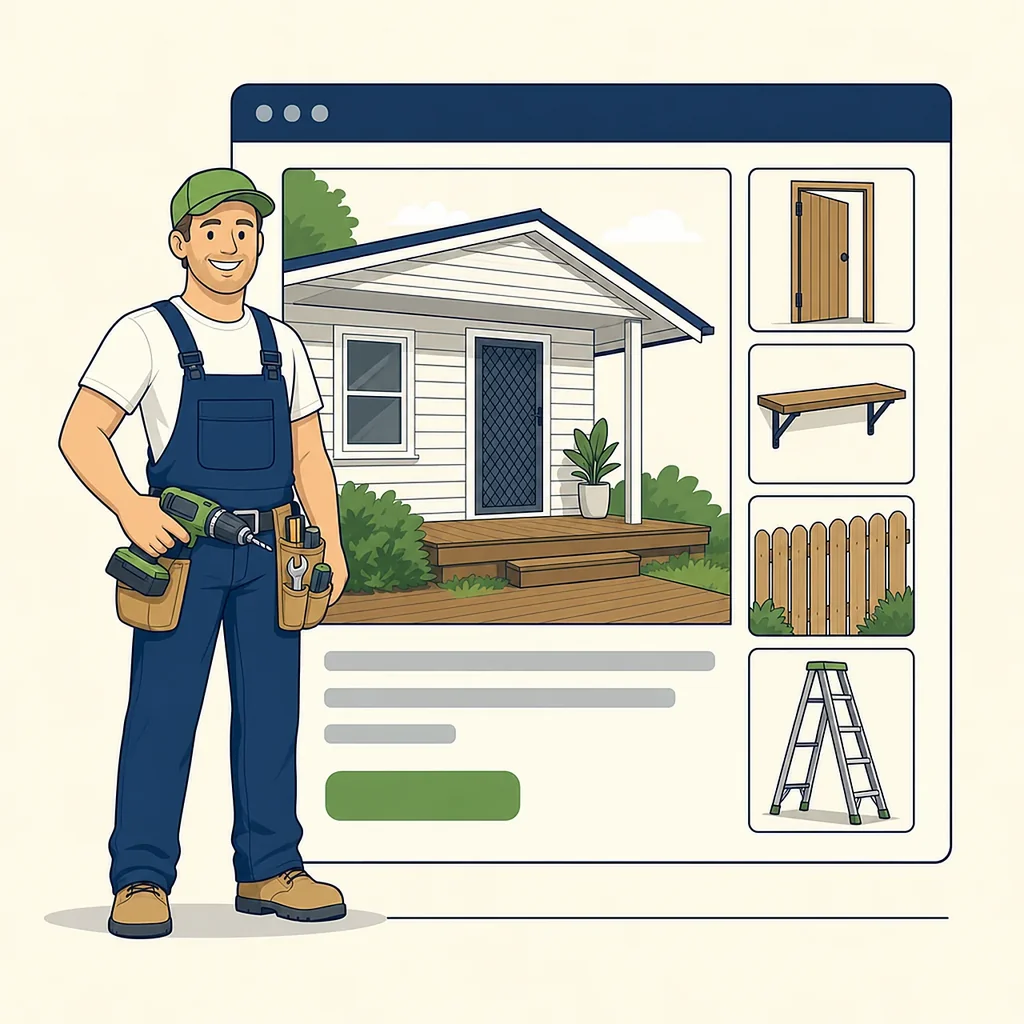
Flat illustration of a handyman with a cordless drill and tool belt beside a browser window showing a handyman website with a weatherboard house, job tiles and a quote button.

14 days

to a working draft you can click through. Most sites go live in two to four weeks.

From $1,800

+ GST for a simple five page site. The full price is in writing before any work starts.

No lock-in

contract after launch. Hosting and support are there if you want them.

Handyman website visitors

The Homeowner With A List And The Older Customer

Most handyman enquiries come from two kinds of customer. One wants a pile of small jobs knocked over in a morning, the other wants someone they can call for years.

The homeowner with a list

A sticking door, a loose gate, a shelf to put up, a torn flyscreen

The jobs have been piling up for months, each one too small to ring a tradie about on its own. They want one person to come out and work through the lot in a single visit. Most will pick whoever makes it easy to send the list and gives a straight answer on price.

What they need from the site

  • A plain list of the jobs you do, so they can find theirs on it
  • How you charge: by the hour or by the job, and any minimum charge
  • A form where they can type the whole list and add photos
  • How soon you can come and roughly how long their list will take

The older homeowner

Retirees and older couples who used to do these jobs themselves

They are no longer happy up a ladder, and they are careful about who they let in the house. Many would rather ring than fill in a form. Once they find a handyman they like, they tend to call the same person for every job.

What they need from the site

  • A photo of you, so they know who will be knocking on the door
  • Your phone number in big, clear type on every page
  • Whether you hold a police check, if you have one
  • Reviews from other homeowners in their area

What makes customers trust handyman websites

They Are Letting A Stranger Into The House

A handyman job is usually small, but it still means a stranger in the house, often with the owner home the whole time. For a lot of customers, that matters more than the price.

Your website can settle it before they ring. Showing who you are, how you charge and where your work stops gives them the answer.

  • Put your face on the website

    Use a real photo of you, ideally beside the ute. Customers who are wary of strangers, older people especially, ring the handyman they can picture at the door.

  • Say how you charge before they ask

    Give your hourly rate, your minimum charge or how you price a job, whichever you use. Being upfront saves the awkward moment when the bill is more than they guessed.

  • Say which jobs go to a licensed tradie

    Customers are not sure where handyman work ends and a plumber's or electrician's starts. If you pass those jobs to a licensed tradie you trust, say so, and say you will organise it.

  • Show your licence and insurance

    If your state needs a licence for the jobs you take on, put the number on the site. Add your public liability insurance too, because careful homeowners and landlords ask about it.

  • Take before and after photos of small jobs

    A door that now closes, a fence panel replaced, a hole in the wall patched. Small jobs make good photos, because customers see their own problem in them.

  • Tell them you clean up after yourself

    People worry about sawdust on the carpet and old timber left in the yard. If you clean up and take the old materials away, one line on the site saying so answers it.

Google reviews

What our clients say

5.0Read them on Google

Trade website design examples

Sites We Have Built

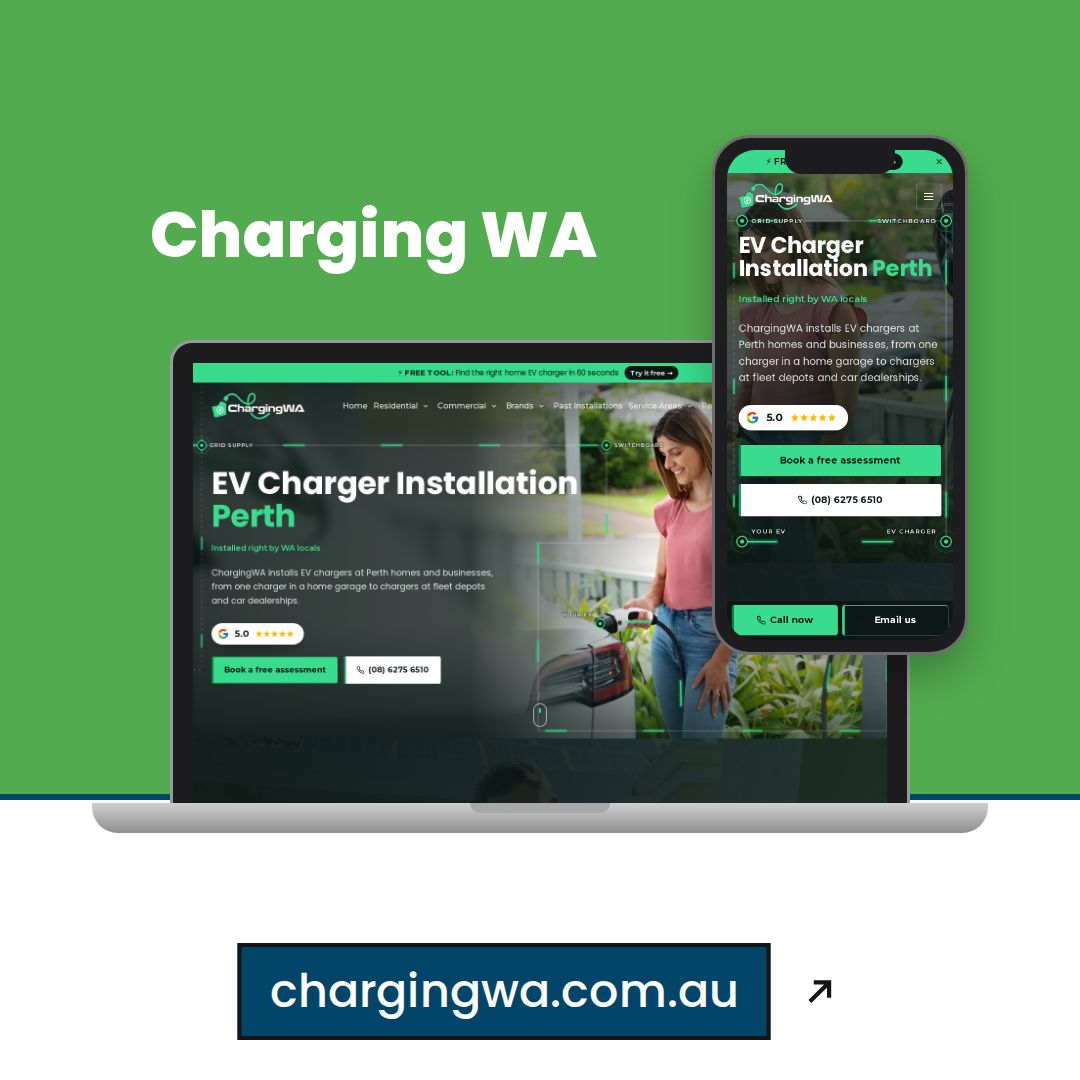
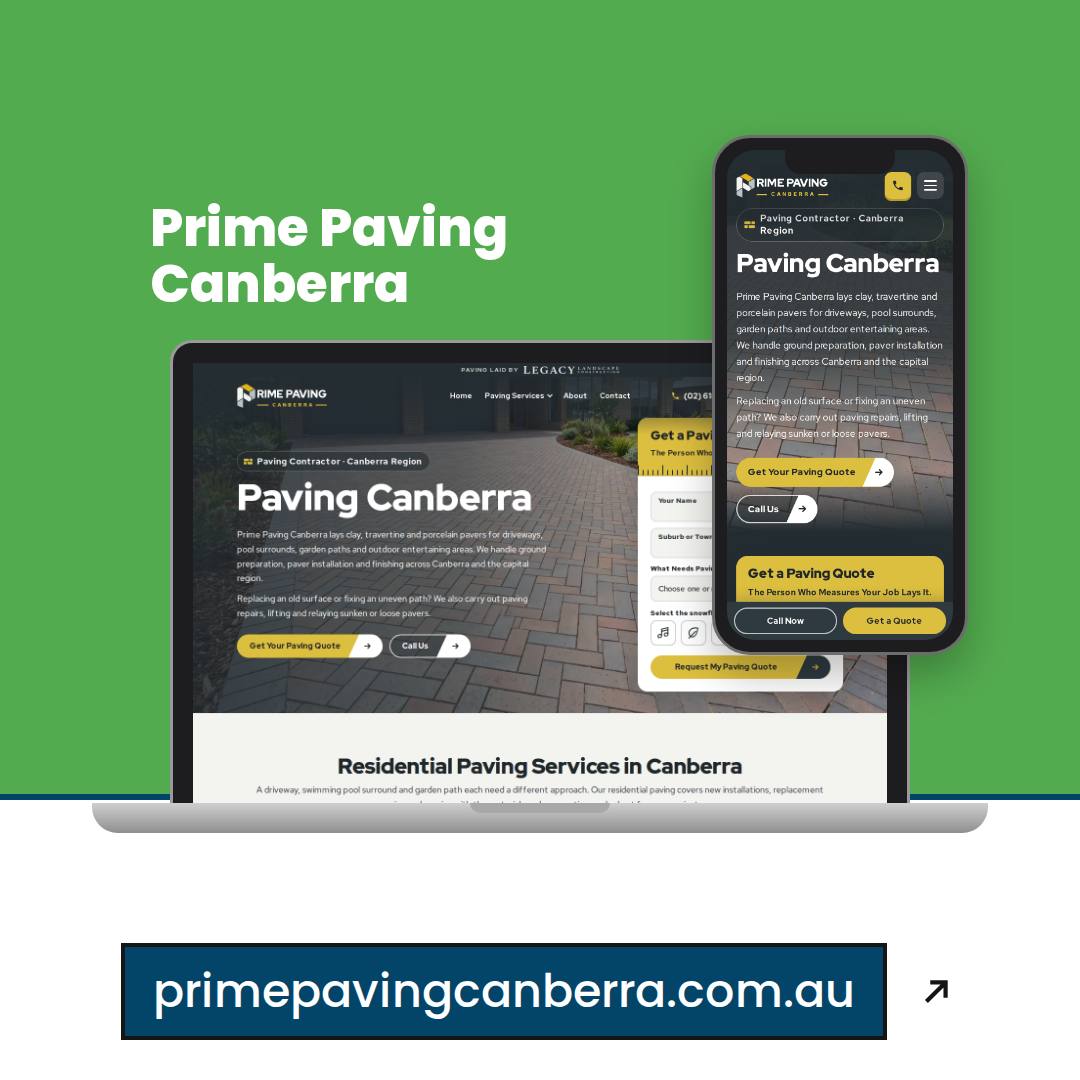
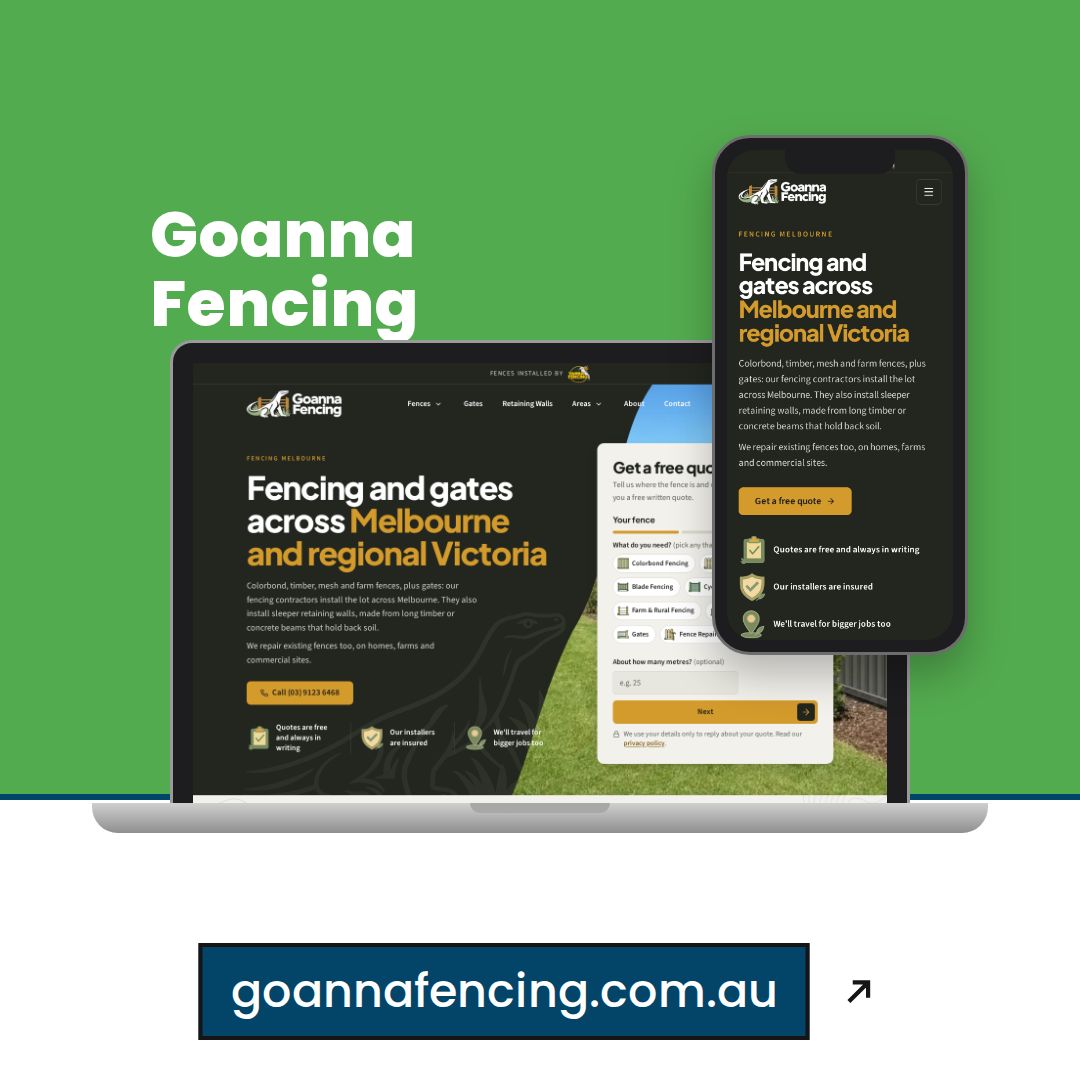
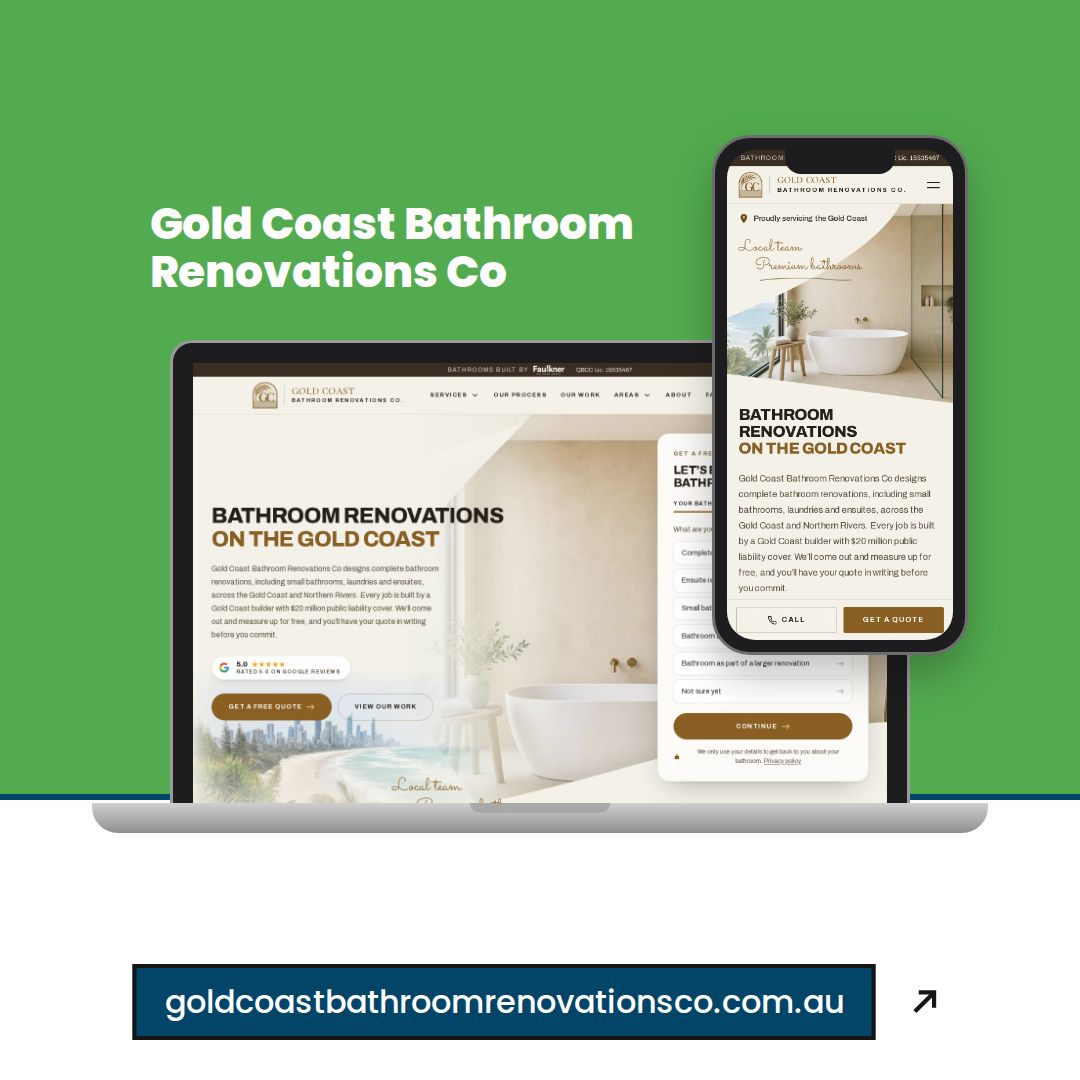
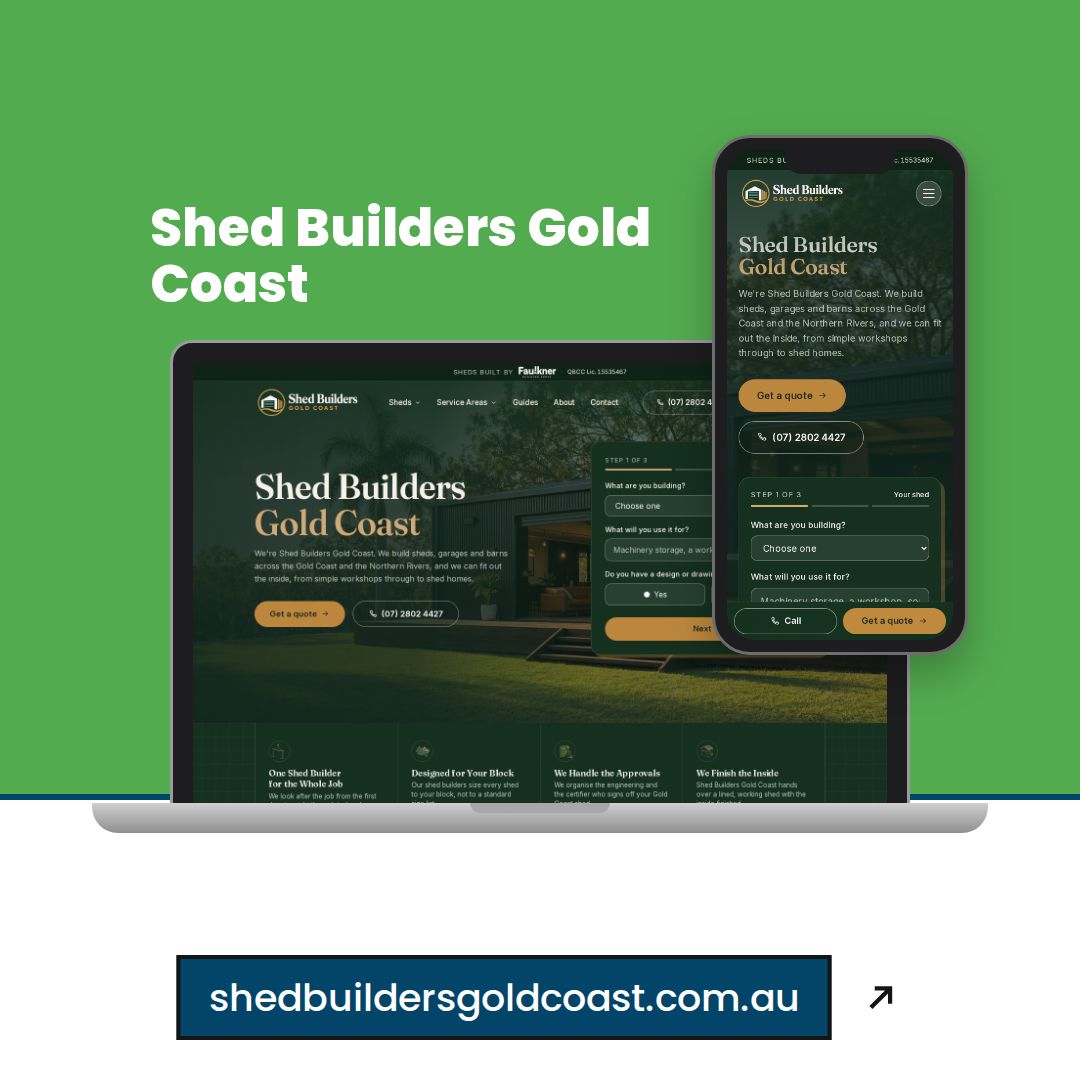
Some of the trade websites we have built. Each one started with the jobs the owner wanted more of and the suburbs they wanted to work in.

Common handyman website problems

What Is Probably Costing You Handyman Jobs

Most handyman websites are a phone number and a long list of everything the owner can do. A customer with five small jobs still cannot tell whether you will take theirs, or roughly what it will cost.

  • Your job list

    Most handyman sites

    One block of text listing forty jobs, from gutters to flat-pack furniture, in no order.

    What we build

    Jobs grouped the way people think of them: doors and windows, outdoor repairs, hanging and mounting, and small fixes inside.

  • How you charge

    Most handyman sites

    Not mentioned, so the customer guesses high and puts the job off.

    What we build

    Your hourly rate or how you price per job, any minimum charge, and what is included, written plainly.

  • Small jobs

    Most handyman sites

    No word on whether you will come out for one small job.

    What we build

    A straight answer on small jobs, and a nudge to add the rest of their list while you are there.

  • Who turns up

    Most handyman sites

    A logo and a phone number, with no idea who will be at the door.

    What we build

    Your photo, your name and a few lines about you, so people know who is coming.

  • The enquiry form

    Most handyman sites

    Name, email and a message, then three phone calls to work out what the job is.

    What we build

    A box for the list, photo upload and suburb, so you can price the visit and bring the right parts.

  • Speed on a phone

    Most handyman sites

    Heavy photos that take an age to load on mobile data.

    What we build

    Light pages with compressed photos that open quickly on a phone.

Handyman website design process

How A Handyman Site Gets Built

Your part is a short phone call at the start, then checking the draft and sending us photos.

  1. A quick call

    We ask which jobs you like doing, which suburbs you want work from and how you charge.

  2. Pages planned

    We group your jobs into pages based on what people search for, and map out the suburb pages. You send photos of your work and one of you.

  3. Draft and changes

    A working draft is ready within 14 days. Tell us what to change and we fix it before launch.

  4. Live

    We connect your domain, test the form and the call button, and hand the site over. Ongoing support is there if you want it.

Tradie website search performance

Built To Turn Up In Searches

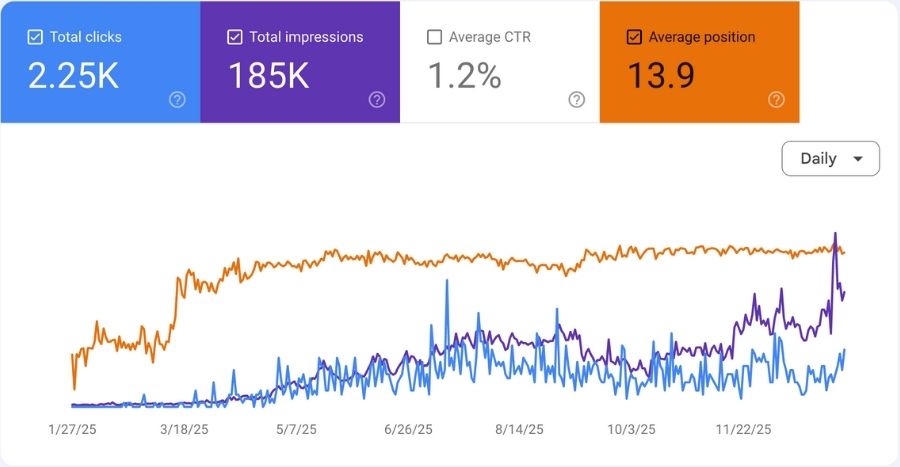
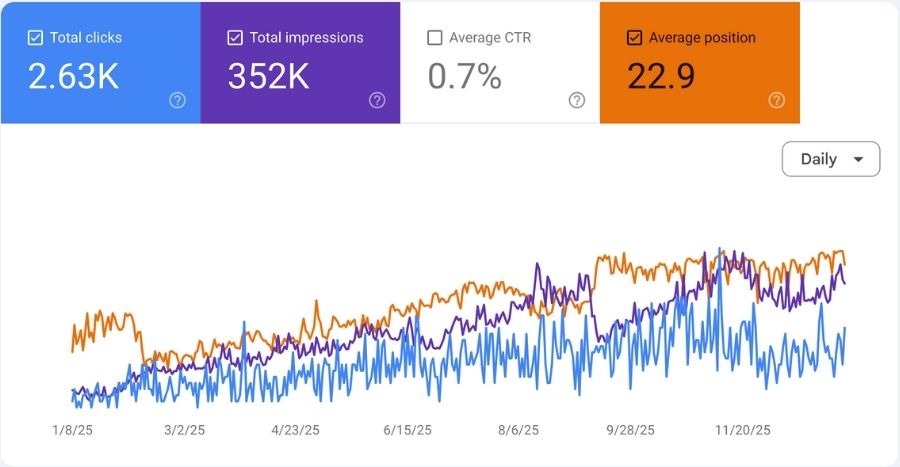
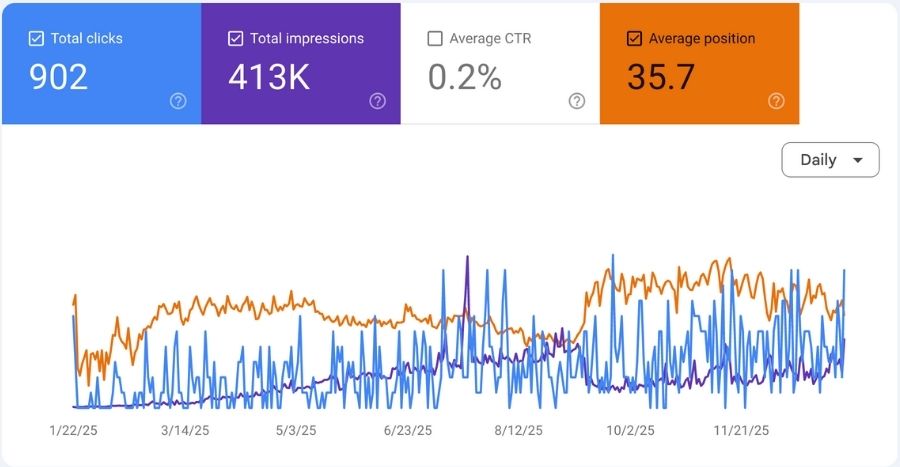
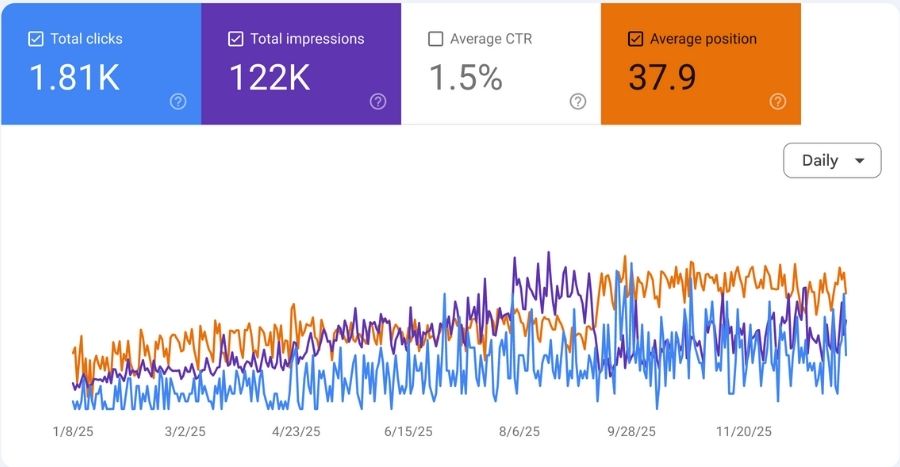
A website only brings in jobs if people find it. These screenshots come from Search Console, Google's free report on how a site performs in search, for websites we have built.

Look at which way each line heads rather than the totals. Clicks and impressions, the number of times a site was shown in results, rising month after month is what a handyman site should do too.

Google Search Console performance data for a client tradie website
Google Search Console performance data showing clicks and impressions growth
Google Search Console performance data for a service business website
Google Search Console performance data for a trade business website

Handyman website cost

What Would A Handyman Website Cost?

The price depends on how many pages the site needs. Send us the jobs you do and the suburbs you cover, and we will price yours.

Handyman website layout

What Goes On A Handyman Website

A handyman website has six working parts. Each one either helps Google show the site or helps a customer get in touch.

  1. Under the hood

    Quick to load and easy for Google to read

    Sites are built with React and Next.js, modern web tools that keep pages quick on a phone. The behind-the-scenes labels that tell Google your trade and your suburbs, called schema, are set up before launch.

  2. The top of the page

    What you fix, where, and how to book

    In the first screen a customer sees the kinds of jobs you take, the area you cover and a button to send their list. There is nothing to scroll past first.

  3. Service pages

    Jobs grouped the way people search

    People search for door repairs, fence repairs or someone to mount a TV, rather than for handyman services. Grouping your jobs into a few pages, each with its jobs listed, gives those searches a page to land on.

  4. Suburb pages

    A page for the suburbs you cover

    Most people search for a handyman near me or a handyman in their suburb. A page for each area you work in tells Google where to show you, and tells the customer you are close by.

  5. The quote form

    A form that takes the whole list

    A big box for the list, photo upload, the suburb and the best days for a visit. You can work out how many hours it is and what to bring before you get there.

  6. The call bar

    Your number on every screen

    On a phone, a bar along the bottom of the screen keeps your number and the enquiry button in reach. Customers who would rather ring never have to hunt for it.

Handyman website design FAQs

FAQs About Handyman Website Design

A list of the jobs you do, grouped into a few service pages, and a page for each suburb you want work from. Add how you charge, a photo of you, before and after photos of small jobs and a form that takes the customer's whole list. Your number should be one tap away on every page.

Prices start at $1,800 + GST for a simple five page website. A site with more service and suburb pages costs more, and you get the full price in writing before anything starts.

Hosting and ongoing support are priced separately and you can take them or leave them. There is no lock-in contract.

You see a first draft within 14 days, and most handyman sites are finished in two to four weeks. What slows it down most is waiting on photos and feedback.

If you charge by the hour, yes, along with any minimum charge. Customers with small jobs are nervous about the bill, and a clear rate gets them to ring instead of putting the job off.

If you price per job, list a few common jobs as a guide and say the final price is confirmed once you have seen it.

Mostly, yes. The jobs you want get their own pages and the rest are left off, so Google has less reason to send those searches your way.

The enquiry form also asks what the job is, so you can sort the enquiries before you ring anyone back.

Start with whatever is on your phone, even a handful. From the next job on, take one photo before and one after from the same spot.

Small jobs like a rehung door or a patched wall show well, because customers recognise their own problem in them.

For the suburbs you want the most work from, yes. Handyman searches are local, and a page for each area tells Google where you work.

How many suburb pages are included depends on the size of the site, and we sort that out on the first call.

It is built to. The service pages, suburb pages, headings and loading speed are all in place from launch, and those are the parts a website controls.

How quickly it climbs depends on your area and how many handymen already rank there. Nobody can honestly promise you a position by a set date.

Your Google Business Profile is your listing on Google Maps. It is often the first thing people see when they search for a handyman nearby. Your business name, address and phone number need to match on the profile and the website.

We can talk about setting it up on the first call.

Yes. The new site goes on the domain you already have, and your email keeps working as it does now. If you need a domain, we can help you set one up.

We do. Send us a new type of job, another suburb or a change to your rates and we update it for you.

Ongoing support covers regular changes if you want that, and it is optional.

Start your handyman website

Ready For A Handyman Website That Fills Your Week?

Send us the jobs you do and the area you cover. We will come back with a plan for the site and a written price.

There is no obligation, and no lock-in contract if you go ahead.

  • A draft in 14 days and most handyman sites are live within a month.
  • From $1,800 + GST for a simple five page site, quoted in writing first.
  • Nothing to sign up to once it is live. Keep our hosting or move it, your call.

Would rather just talk it through?

1300 684 885
Call NowEnquire Now